Why To Choose Us For Your School?
🚀 Transform Your School’s Online Experience! 🚀
Say hello to the future of education with our all-in-one, interactive school website platform! 🏫✨
📚 Engage students with fun quizzes, instant polls, and personalized dictionaries!
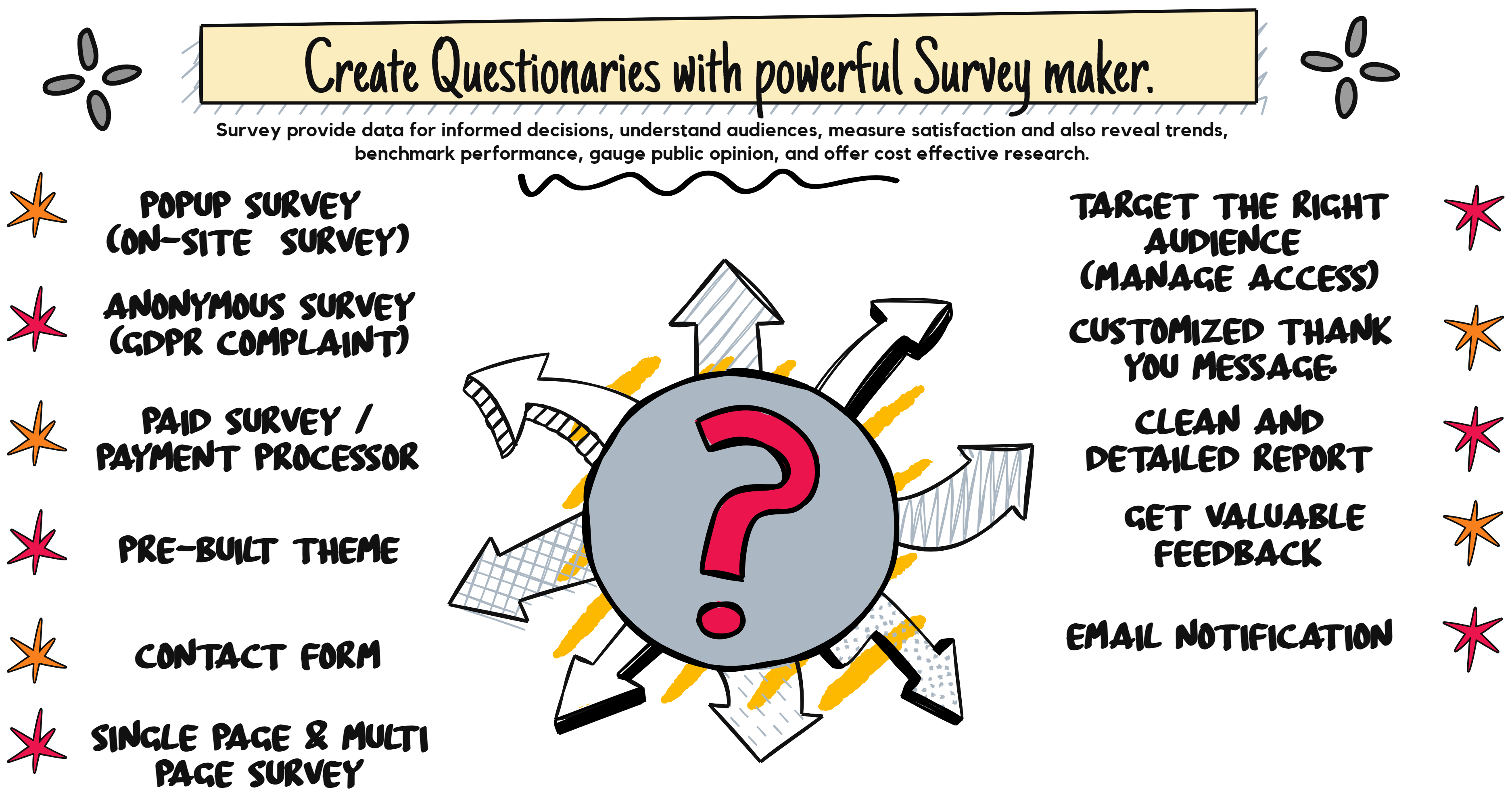
📊 Get real-time feedback with easy-to-use surveys.
🔔 Keep everyone in the loop with popup notices and updates.
📈 Track progress and boost motivation with user dashboards and leaderboards!
And the best part? Your content stays protected! 🔒
Upgrade your school’s digital journey today! 🌟
Transform Your School’s Online Experience!
Our all-in-one website platform is designed to enhance learning and engagement with a range of powerful features:
Interactive Quizzes: Fun, real-time knowledge testing.
Polls & Surveys: Instant feedback and in-depth insights.
Popup Notices: Quick, important updates for everyone.
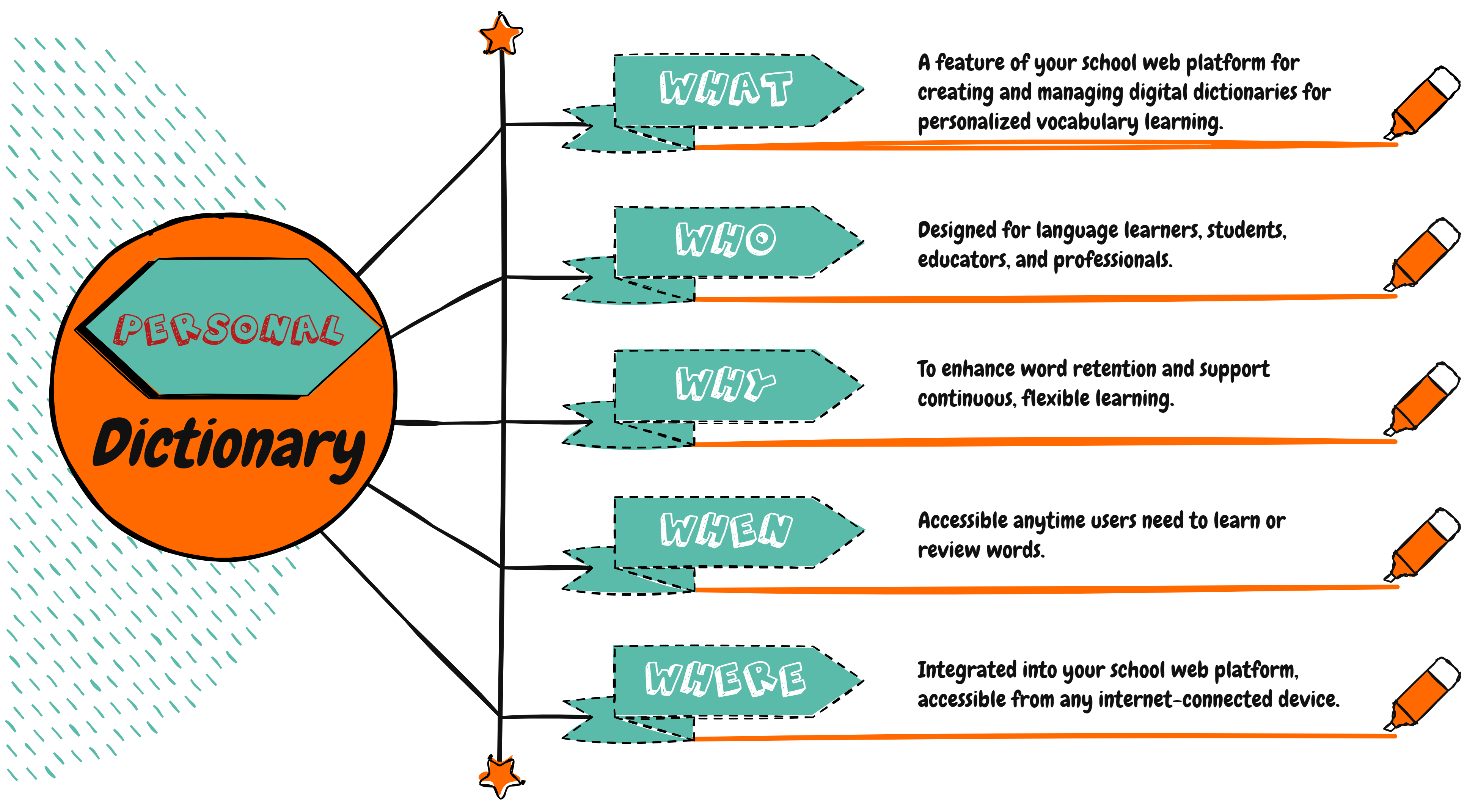
Personal Dictionary: Build vocabulary effortlessly.
Content Protection: Safeguard your school’s intellectual property.
User Dashboard & Leaderboards: Track progress and celebrate achievements.
Plus, many more features to create a connected and thriving school community.
Why Choose PTPL & LearnZeal for Your School’s Website?
1. Engaging Interactive Tools: PTPL and LearnZeal empower schools to create engaging, interactive quizzes, polls, and surveys that enhance learning and increase student participation. These tools keep students active and involved, whether in the classroom or remotely.
2. Tailored for Education: Our platform is specifically designed with educational needs in mind, ensuring that schools can focus on teaching without getting bogged down by technical hassles. Teachers, students, and parents alike benefit from an intuitive interface that’s simple to navigate.
3. Real-Time Feedback & Progress Tracking: Using our quiz and survey tools, schools can offer instant feedback to students, helping them understand and improve on areas of weakness right away. Teachers can also track progress to personalize learning and boost performance.
4. Data-Driven Insights: Polls and surveys help administrators gather essential insights on student satisfaction, engagement, and needs. This data allows schools to make informed decisions that continually improve the learning experience.
5. Boosts Parental Involvement: The platform provides a seamless way to connect with parents through regular updates, interactive parent surveys, and school announcements, strengthening the home-school connection.
6. Customizable Design: Schools can enjoy a website that reflects their unique identity. LearnZeal provides flexible customization options, allowing each school to showcase its values, strengths, and achievements to the community.
7. Secure & Reliable: With data protection and security as top priorities, PTPL ensures that all student and school information remains safe, giving peace of mind to administrators, parents, and students.
8. Future-Ready Learning: LearnZeal is built with scalability in mind, supporting modern educational needs like online learning, hybrid classes, and more. Schools can expand and adapt their platform usage as education evolves.
Choosing PTPL and LearnZeal means choosing a platform that prioritizes student engagement, school success, and a robust educational experience for everyone involved.
Benefits Of Using Quizzes! "Make Learning Fun and Effective with Quizzes That Drive Results!"
Quizzes are a Fantastic Tool for Student Growth. Here’s a Step-by-Step Breakdown of How They Can Benefit Students:
1. Improves Retention and Recall
Benefit: Quizzes encourage students to actively retrieve information, which strengthens memory and improves long-term retention.
Example: When students answer questions on a topic they’ve studied, they’re more likely to remember key points during exams or real-life applications.
2. Promotes Active Learning
Benefit: Unlike passive learning methods, quizzes engage students actively with the material.
Example: By constantly interacting with content through quizzes, students become more attentive and better understand complex ideas.
3. Identifies Knowledge Gaps
Benefit: Quizzes help pinpoint areas where students struggle, allowing them to focus on specific topics.
Example: If a student frequently misses questions on a certain topic, they can identify this as an area needing further study or clarification.
4. Boosts Confidence
Benefit: Regular quizzes help build a student’s confidence as they see their progress and mastery over time.
Example: Achieving high scores or improving on a quiz gives students a morale boost, reinforcing their learning journey.
5. Enhances Critical Thinking and Problem-Solving Skills
Benefit: Some quizzes require students to apply knowledge, fostering critical thinking and problem-solving.
Example: A math quiz with real-world scenarios encourages students to think about practical applications, enhancing analytical skills.
6. Increases Engagement and Motivation
Benefit: Quizzes add an element of challenge and reward, making learning more engaging and fun.
Example: Gamified quizzes or competitions create a motivating environment where students are encouraged to perform their best.
7. Encourages Regular Study Habits
Benefit: Scheduled quizzes promote consistent study habits rather than cramming.
Example: Knowing that there will be quizzes, students are more likely to review material regularly, improving knowledge retention and reducing exam stress.
8. Prepares for Exams and Assessments
Benefit: Quizzes serve as a rehearsal for larger assessments, reducing anxiety.
Example: Frequent quiz practice helps students become familiar with exam formats, time management, and pressure, making them better prepared.
9. Teaches Time Management
Benefit: Timed quizzes help students manage their time effectively.
Example: By practicing completing quizzes within a time limit, students learn to allocate their time more efficiently during exams and other tasks.
10. Fosters a Growth Mindset
Benefit: Quizzes help students view learning as an ongoing process, where mistakes are part of growth.
Example: Immediate feedback from quizzes encourages students to see errors as opportunities for improvement, promoting a resilient approach to learning.
11. Prepares for Real-World Decision Making
Benefit: Quizzes improve decision-making skills, helping students analyze choices under pressure.
Example: Multiple-choice quizzes encourage students to weigh options quickly and accurately, a valuable skill in real-life situations.
Quizzes, when used regularly, can be transformative for students, building essential skills and reinforcing learning in ways that drive both academic and personal growth.
Benefits of Surveys for Schools and Students
Surveys can be highly beneficial for both schools and students, helping to improve the educational experience and create a more supportive learning environment. Here are some of the key advantages:
For Schools:
1. Insight into Student Needs and Preferences: Surveys help schools understand students’ academic, emotional, and social needs, enabling them to tailor resources, support, and activities accordingly.
2. Evaluation of Teaching Methods: Feedback on teaching effectiveness and curriculum design allows schools to refine instructional methods to improve learning outcomes.
3. Improved Communication: Surveys can reveal how students and parents feel about school policies, communication channels, and administrative processes, enabling schools to make changes that enhance communication.
4. Data-Driven Decision Making: Survey data provides schools with concrete evidence to support program development, policy adjustments, and budgeting decisions.
5. Measuring Student Engagement: Surveys allow schools to gauge how engaged students are with their school environment, helping them create initiatives to boost engagement and school spirit.
For Students:
1. Empowerment and Voice: Surveys give students a platform to express their thoughts and concerns, making them feel heard and valued in the school community.
2. Increased Motivation: When students see that their feedback leads to positive changes, it can increase their motivation and enthusiasm for school activities.
3. Improved Support Services: Students can identify specific areas where they need more academic or emotional support, allowing schools to provide targeted resources and programs.
4. Enhanced Learning Environment: Feedback from surveys can contribute to improvements in the physical and social environment of the school, creating a more welcoming and productive space for learning.
5. Social and Emotional Benefits: Surveys that address mental health and well-being help schools understand student stress levels and emotional needs, promoting a healthier school climate.
Conducting regular surveys allows schools to stay responsive to students’ evolving needs, creating a collaborative, adaptive environment that benefits everyone involved.
Benefits of Poll for Schools and Students
Polls offer a quick and effective way to gather feedback and gauge opinions, benefiting both schools and students. Here are some key advantages:
For Schools:
1. Quick Feedback on Key Issues: Polls allow schools to collect immediate input on specific issues, helping them make timely decisions based on real-time feedback.
2. Informed Decision-Making: Schools can use poll results to understand the majority opinion on topics like school events, policy changes, or new initiatives, ensuring decisions align with community preferences.
3. Increased Engagement: Polls provide an interactive way to involve students and parents in school matters, enhancing overall engagement and buy-in for school activities.
4. Simplified Data Collection: Polls are easier to conduct than surveys, requiring only a few clicks, which simplifies data collection and analysis for schools.
5. Efficient Resource Allocation: By understanding preferences, schools can allocate resources more effectively, focusing on programs and initiatives that students value most.
For Students:
1. Sense of Inclusion and Belonging: Polls provide students with a voice in school decisions, helping them feel included and valued in the school community.
2. Opportunity to Express Preferences: Students can share their opinions on subjects that affect their daily school life, such as lunch options, event themes, or extracurricular activities.
3. Quick and Accessible Format: Polls are usually short and easy to complete, making it convenient for students to participate without feeling burdened by lengthy questionnaires.
4. Encouragement of Critical Thinking: Participating in polls can encourage students to think critically about their preferences and opinions, helping them develop decision-making skills.
5. Improved School Climate: When students see their preferences reflected in school policies or activities, it fosters a more positive, collaborative school environment.
By incorporating regular polls, schools can stay connected to the community’s views, helping to build a supportive and responsive educational environment for all.